

Tossing. Turning. Waking up tired even after “8 hours.”
If sleep doesn’t feel restorative anymore, you’re not alone.
Modern life has quietly disrupted our sleep with constant screen exposure, mental overload, and stress hormones staying high even at night. While sleeping pills may knock you out temporarily, they don’t always support natural sleep cycles.
That’s why more people are searching for essential oils for insomnia, sleep roll-ons, and natural sleep aids — gentle solutions that help the nervous system feel safe enough to rest.
In this guide, we’ll explore how essential oils support sleep from both a scientific and Ayurvedic perspective, which oils work best, how to use them safely, and how ready-made roll-ons compare to DIY remedies.
Understanding Insomnia — A Nervous System Issue, Not Just a Sleep Problem
Insomnia isn’t just about not feeling sleepy.
It’s often about a hyperactive nervous system.
From an Ayurvedic perspective, insomnia is commonly linked to:
-
Vata imbalance → racing thoughts, light sleep
-
Pitta imbalance → overheating, midnight wake-ups
Modern science aligns with this. Poor sleep is associated with:
-
Elevated cortisol (stress hormone)
-
Reduced melatonin production
-
Overstimulation of the sympathetic nervous system (fight-or-flight)
This is where aromatherapy and essential oils help by signalling the brain to slow down.
How Essential Oils Help with Sleep
Essential oils work through the olfactory system, which directly connects to the limbic brain, the area that regulates emotions, memory, stress, and sleep.
What studies show
-
A 2019 study published in Frontiers in Behavioural Neuroscience found that lavender oil inhalation improved sleep quality and reduced anxiety.
-
Chamomile has been shown to increase glycine activity in the brain, promoting relaxation.
-
Essential oils help activate the parasympathetic nervous system, responsible for rest and recovery.
This is why natural sleep aids using aromatherapy don’t force sleep; they invite it.
Most suitable Essential Oils for Insomnia & Restful Sleep
1. Lavender Oil
The most researched oil for sleep.
Why it works:
-
Lowers heart rate
-
Reduces anxiety
-
Improves sleep depth and quality
Best for: Difficulty falling asleep, stress-induced insomnia
Commonly used in: Sleep roll-ons and pillow sprays
2. Chamomile Oil
Soft, comforting, and calming.
Why it works:
-
Acts as a mild sedative
-
Reduces nervous tension
Best for: Emotional restlessness, light sleepers
3. Vetiver Oil
Earthy and deeply grounding.
Why it works:
-
Slows racing thoughts
-
Stabilises nervous system activity
Best for: Overthinking at bedtime, ADHD-related sleep issues
4. Sandalwood Oil
Warm and soothing.
Why it works:
-
Supports melatonin production
-
Encourages deep sleep phases
Best for: Night-time awakening
5. Ylang Ylang Oil
Floral and emotionally balancing.
Why it works:
-
Lowers blood pressure
-
Reduces anxiety
Best for: Stress-related insomnia
6. Frankincense Oil
Often overlooked for sleep.
Why it works:
-
Deep breathing support
-
Mental calm and emotional grounding
Best for: Meditation & bedtime routines
Sleep Roll-Ons vs DIY Essential Oil Blends
DIY sleep blends can work — if dilution and ratios are correct.
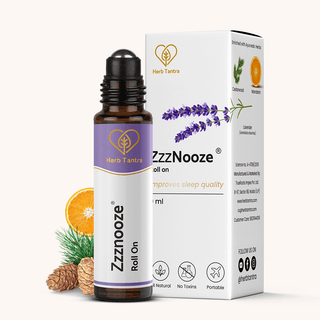
However, many people prefer sleep roll-ons because they:
-
They are pre-diluted and skin-safe
-
Combine multiple sleep-supporting oils
-
They are easy to apply consistently
This is similar to how decongestant essential oil blends are preferred over raw oils for sinus relief — convenience, safety, and formulation matter.
How to Use Essential Oils for Better Sleep
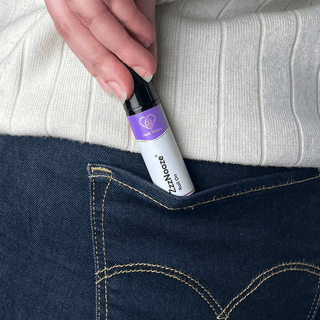
1. Roll-On Application
Apply to your:
-
Wrists
-
Temples
-
Behind ears
-
Soles of feet
2. Aromatherapy Diffusion
-
Use 30–60 minutes before sleep
-
Avoid strong scents overnight
Best paired with a wind-down routine.
3. DIY Sleep Oil
Ingredients
-
1 tbsp coconut or almond oil
-
2 drops lavender oil
-
1 drop chamomile oil
-
1 drop vetiver oil
Safety note: Always patch test.
Safety Considerations
-
Avoid undiluted essential oils on the skin
-
Pregnant women should consult a professional
-
Use child-safe formulations for kids
A well-formulated roll-on reduces these risks significantly.
What Real Users Say
“I stopped waking up at 3 AM after using a lavender-based sleep roll-on.”
“My anxiety reduced before bed — sleep came naturally.”
“Feels calming without making me groggy.”
FAQs
Do essential oils really help with insomnia?
Yes. Studies show certain oils support relaxation, reduce anxiety, and improve sleep quality.
How long do sleep roll-ons take to work?
Most users feel calm within 10–20 minutes.
Are natural sleep aids safe for long-term use?
When used correctly, yes — unlike chemical sleep aids.