

Chronic pain doesn’t always scream.
Sometimes it hums quietly in the background — stiff joints in the morning, a constant ache in the lower back, recurring headaches, or muscle pain that never fully goes away.
For many people, painkillers become a long-term companion. They offer temporary relief, but often at the cost of digestion, dependency, or reduced effectiveness over time. This is why more people are now actively searching for plant-based solutions for chronic pain, Ayurvedic pain relief, and natural pain remedies that work gently and sustainably.
Ayurveda doesn’t view pain as a problem to silence — it sees pain as a signal. A signal of imbalance, inflammation, poor circulation, or accumulated toxins. And the approach? Restore balance, don’t suppress symptoms.
Understanding Chronic Pain Through Ayurveda
In Ayurveda, chronic pain is usually associated with an imbalance in Vata dosha, sometimes combined with Pitta inflammation.
Common Ayurvedic pain causes include:
-
Dryness and degeneration (Vata imbalance)
-
Inflammation and heat (Pitta imbalance)
-
Poor circulation and toxin buildup (Ama accumulation)
This explains why pain often worsens with:
-
Cold weather
-
Stress and overthinking
-
Poor digestion
-
Irregular sleep
Ayurvedic pain relief focuses on using warming, nourishing, anti-inflammatory, and circulation-enhancing plant remedies, both internally and externally.
Types of Chronic Pain & Ayurvedic Approach
1. Joint Pain & Arthritis
Typically associated with Vata imbalance and inflammation.
Ayurvedic focus:
Lubrication, warmth, and anti-inflammatory herbs.
2. Muscle Pain & Stiffness
Often caused by overuse, poor circulation, or toxin buildup.
Ayurvedic focus:
Improving blood flow and relaxing muscles.
3. Back Pain & Sciatic Pain
Commonly associated with aggravated Vata in the lower body.
Ayurvedic focus:
Grounding oils, gentle heat, and nerve-soothing herbs.
4. Headaches & Migraines
It can be Vata (tension-based) or Pitta (inflammation-based).
Ayurvedic focus:
Calming the nervous system and reducing inflammation.
Key Herbs Used in Plant-Based Pain Management
Competitors in the herbal pain relief space often focus on one or two ingredients. Ayurveda, however, relies on synergistic combinations for deeper, longer-lasting relief.
1. Ashwagandha
A powerful adaptogen.
Benefits:
-
Reduces stress-related pain
-
Supports nerve health
-
Helps with chronic fatigue-related aches
2. Turmeric (Curcumin)
A well-researched anti-inflammatory.
Benefits:
-
Reduces joint inflammation
-
Supports mobility
-
Helps with arthritis-related pain
3. Shallaki (Boswellia)
Known for joint health.
Benefits:
-
Improves joint flexibility
-
Reduces stiffness
-
Supports long-term joint comfort
4. Nirgundi
A traditional pain-relieving herb.
Benefits:
-
Effective for muscle and joint pain
-
Reduces swelling
-
Often used in Ayurvedic pain oils
5. Ginger
Both internal and external pain relievers.
Benefits:
-
Improves circulation
-
Reduces stiffness
-
Helps in inflammatory pain
Ayurvedic Oils for External Pain Relief
One of the most effective natural pain remedies in Ayurveda is external oil application (Abhyanga).
Plant-based pain relief oils work by:
-
Penetrating deep tissues
-
Improving circulation
-
Reducing dryness and stiffness
-
Calming aggravated nerves
Herbs commonly used in Ayurvedic pain oils include:
-
Eucalyptus
-
Camphor
-
Ajwain
-
Nirgundi
-
Peppermint
Well-formulated herbal oils and roll-ons offer targeted relief without the risks associated with oral painkillers.
Practical Ways to Use Plant-Based Pain Remedies
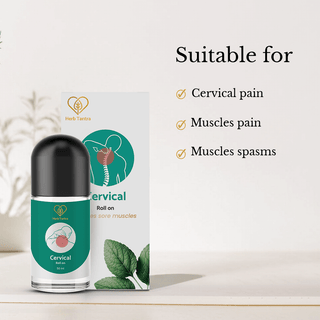
1. Herbal Roll-Ons for Daily Pain
Ideal for:
-
Neck pain
-
Knee pain
-
Lower back pain
-
Headaches
Apply to the affected area and massage gently 1–2 times daily.
2. Warm Oil Massage (Abhyanga)
-
Use warm herbal oil
-
Massage in circular motions over joints
-
Follow with a warm compress
This is especially effective for chronic joint and muscle pain.
3. Lifestyle Practices That Support Pain Relief
Ayurveda emphasises that pain relief isn’t just about products.
Helpful practices include:
-
Gentle yoga and stretching
-
Warm, nourishing foods
-
Regular sleep routines
-
Avoiding cold, dry, processed foods
These habits enhance the effect of Ayurvedic pain relief remedies.
How Plant-Based Pain Relief Compares to Chemical Painkillers
| Aspect | Plant-Based Solutions | Chemical Painkillers |
|---|---|---|
| Approach | Addresses root imbalance | Symptom suppression |
| Long-term use | Generally safer | Risk of dependency |
| Side effects | Minimal when used correctly | Digestive, liver issues |
| Nervous system | Calming | Can overstimulate or dull |
This is why many users turn to plant-based solutions for chronic pain for long-term support rather than short-term fixes.
Why a Holistic Ayurvedic Approach Works Better
Competitor brands often highlight single herbs or fast relief. Ayurveda focuses on:
-
Multi-herb synergy
-
Consistent daily application
-
Supporting digestion, circulation, and nerves together
This holistic approach allows brands like Herb Tantra to offer comprehensive natural pain remedies, not just
FAQs
Are plant-based solutions effective for chronic pain?
Yes. When used consistently, Ayurvedic herbs and oils help reduce inflammation, stiffness, and nerve sensitivity over time.
How long does Ayurvedic pain relief take to show results?
Some relief is felt immediately with oils, while deeper benefits develop over weeks of regular use.
Is Ayurvedic pain relief safe for long-term use?
Generally, yes, when high-quality, well-formulated products are used correctly.