

In today’s always-on lifestyle, quality sleep has become a luxury rather than a given. Stress, screen exposure, irregular routines, and mental overload often make people search for how to fall asleep faster without medication. While conventional sleep aids may offer temporary relief, many come with side effects or dependency concerns.
This is where Ayurveda offers a gentler, time-tested solution. Through carefully selected herbs and lifestyle practices, Ayurvedic herbs for sleep help calm the nervous system, restore balance, and promote deep, restorative rest—naturally.
Understanding Sleep Through Ayurveda
According to Ayurveda, sleep disturbances are commonly linked to an imbalance in Vata dosha, which governs the nervous system, thoughts, and movement. When Vata is aggravated—due to stress, anxiety, irregular schedules, or excessive stimulation—it can lead to:
-
Difficulty falling asleep
-
Frequent night awakenings
-
Light or unrefreshing sleep
-
Racing thoughts at bedtime
Unlike quick fixes, natural sleep aids in Ayurveda focus on calming the mind, nourishing the nervous system, and supporting the body’s circadian rhythm.
Key Ayurvedic Herbs for Sleep and Relaxation
1. Ashwagandha – The Stress-Regulating Adaptogen
Ashwagandha is one of the most researched Ayurvedic herbs for sleep. Known as an adaptogen, it helps the body manage stress by regulating cortisol levels.
Benefits for sleep and relaxation:
-
Reduces stress and anxiety
-
Supports deeper, more restful sleep
-
Improves sleep quality without sedation
Ashwagandha is particularly useful for people whose sleep issues stem from mental exhaustion, overthinking, or burnout.
2. Brahmi – The Mind-Calming Herb
Brahmi is revered for its ability to calm the mind and enhance mental clarity. It is commonly used in herbal relaxation remedies for anxiety-related insomnia.
Benefits for sleep:
-
Slows racing thoughts
-
Improves sleep onset
-
Supports emotional balance
Brahmi works gently, making it ideal for individuals who feel mentally overstimulated at night.
3. Tagara (Indian Valerian) – Nature’s Sedative Herb
Tagara has been traditionally used in Ayurveda as a natural sedative. It supports relaxation by calming the nervous system and reducing restlessness.
Benefits for sleep:
-
Helps you fall asleep faster
-
Reduces night-time awakenings
-
Supports deeper sleep cycles
It is often recommended for people looking for natural sleep aids without dependency.
4. Jatamansi – The Nervous System Nourisher
Jatamansi is known for its grounding and cooling properties, making it effective for stress-induced insomnia.
Benefits:
-
Relaxes the nervous system
-
Helps with emotional fatigue
-
Supports uninterrupted sleep
How Ayurvedic Herbs Help You Fall Asleep Faster—Naturally
Unlike conventional sleep medication, Ayurvedic herbs work by:
-
Calming the stress response
-
Supporting neurotransmitter balance
-
Improving sleep architecture over time
This makes them ideal for people searching for how to fall asleep faster without medication, especially when sleep problems are linked to lifestyle stress.
Ways to Use Ayurvedic Herbs for Better Sleep
1. Herbal Teas and Decoctions
Instead of scrolling on your phone, try activities that quiet the mind -
- Journaling to release anxious thoughts.
- Guided meditation or deep breathing.
- Herbal tea blends like Herb Tantra’s Sleep Buddy Tea, made with Valerian root, spearmint, and ashwagandha, which naturally support relaxation.
2. Aromatherapy and Herbal Oils
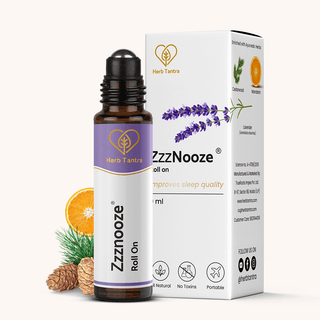
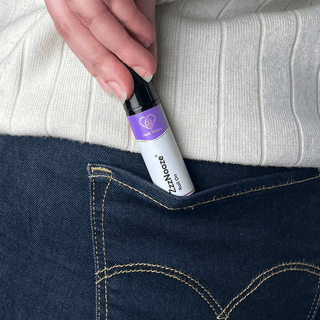
Herbal roll-ons are another effective way to signal “wind-down time” to your body. For instance, the Sleep Buddy Roll On combines Valerian root, chamomile, and bergamot—a slightly stronger blend that helps during intense anxiety-fueled nights. For everyday sleep support, the lighter Zznooze Roll On with lavender and cedarwood offers gentle, calming relief. Rolling them on your wrists, temples, or soles of the feet creates a soothing sensory cue for bedtime.
3. Consistent Night Routine
Ayurveda emphasises routine. Combining herbal relaxation remedies with consistent sleep timings amplifies their effectiveness.
Safety Considerations When Using Ayurvedic Sleep Remedies
While Ayurvedic herbs are generally safe, it’s important to:
-
Use recommended dosages
-
Avoid mixing multiple sleep remedies simultaneously
-
Consult a practitioner if pregnant, nursing, or on medication
Natural does not mean excessive—balance is key.
Why Ayurvedic Sleep Solutions Are Gaining Popularity
Modern consumers are increasingly choosing natural sleep aids due to:
-
Concerns over dependency on sleep medication
-
Desire for holistic, long-term solutions
-
Growing awareness of the mind-body connection
By addressing stress, mental fatigue, and nervous system imbalance, Ayurvedic herbs for sleep offer sustainable sleep improvement rather than temporary sedation.
If you’re struggling to unwind at night or searching for how to fall asleep faster without medication, Ayurvedic herbs provide a gentle yet effective path to better sleep. With centuries of traditional use and growing modern research support, these herbs help restore balance, calm the mind, and promote natural relaxation.
By embracing Ayurvedic sleep solutions, brands like Herbtantra can bridge ancient wisdom with modern needs—making restful sleep accessible without compromising long-term health.
FAQs
1. What are the best Ayurvedic herbs for sleep?
Some of the most effective Ayurvedic herbs for sleep include Ashwagandha, Brahmi, Tagara (Indian Valerian), and Jatamansi. These herbs help calm the nervous system, reduce stress, and promote natural relaxation, making it easier to fall and stay asleep.
2. How do Ayurvedic herbs help you fall asleep faster without medication?
Ayurvedic herbs work by balancing the nervous system and lowering stress hormones like cortisol. Instead of forcing sleep like medication, they gently calm the mind and body—helping those who want to know how to fall asleep faster without medication achieve restful sleep naturally over time.
3. Are Ayurvedic sleep remedies safe for daily use?
Yes, most natural sleep aids from Ayurveda are safe when used as directed. However, long-term use should follow recommended dosages, and people who are pregnant, nursing, or on medication should consult a healthcare professional before use.
4. How long do Ayurvedic herbs take to show results for sleep?
Some people notice improved relaxation within a few days, while others may need 2–3 weeks of consistent use. Ayurvedic sleep remedies focus on long-term balance rather than instant sedation.
6. Are Ayurvedic sleep aids better than conventional sleep medicines?
While sleep medicines may provide quick relief, they often come with side effects or dependency risks. Ayurvedic herbs offer a gentler approach by addressing the root cause of sleep problems—stress, anxiety, and nervous system imbalance—making them ideal for long-term use.