

If you’ve ever woken up with stiff knees, a sore neck, or muscles that ache after a long day, you’re not alone. Muscle and joint pain have quietly become everyday problems—thanks to desk jobs, poor posture, stress, and lack of movement. While over-the-counter painkillers may offer quick relief, they’re not always ideal for long-term use.
This is where Ayurveda steps in. Rooted in centuries-old wisdom, Ayurvedic pain management focuses on reducing inflammation, improving circulation, and supporting healing naturally. In this guide, we’ll explore herbal remedies for muscle pain, joint discomfort, and stiffness—along with practical ways to use them safely and effectively.
In this comprehensive guide, we explore the scientific evidence for herbal pain relief, how Ayurvedic herbs reduce inflammation, which formulations work best for muscle and joint pain, and how Herb Tantra’s Joint & Muscle Pain Range supports long-term comfort.
Understanding Muscle and Joint Pain Through Ayurveda
In Ayurveda, chronic muscle and joint pain is often linked to an imbalance of Vata dosha, which governs movement, circulation, and nerve function. When Vata becomes aggravated, due to stress, cold exposure, overexertion, or improper posture, it can lead to:
-
Joint stiffness and cracking
-
Muscle tightness or spasms
-
Chronic aches and reduced mobility
Ayurveda treats pain by restoring balance using warming herbs, external therapies, and supportive lifestyle practices rather than masking symptoms.
Powerful Ayurvedic Herbs for Muscle and Joint Pain Relief
1. Ginger – Nature’s Anti-Inflammatory Healer
Ginger is widely recognised in both Ayurveda and modern science for its anti-inflammatory properties. It helps reduce swelling, improves circulation, and eases muscle stiffness.
Best for:
-
Muscle soreness
-
Joint inflammation
-
Post-workout pain
Ginger is commonly used in oils and topical applications for joint pain relief.
2. Wintergreen – Natural Pain-Relieving Herb
Wintergreen contains methyl salicylate, a compound known for its pain-relieving effects. It provides a cooling sensation that helps soothe deep muscle and joint discomfort.
Best for:
-
Chronic joint pain
-
Back pain
-
Muscle fatigue
3. Eucalyptus – For Stiffness and Improved Mobility
Eucalyptus helps increase blood flow to affected areas, reducing stiffness and discomfort. Its soothing aroma also promotes relaxation, making it ideal for pain caused by tension.
Best for:
-
Neck and shoulder stiffness
-
Joint tightness
-
Muscle spasms
4. Lemongrass – Muscle Relaxant and Anti-Inflammatory
Lemongrass is known for its muscle-relaxing properties. It helps reduce inflammation while easing tight muscles naturally.
Best for:
-
Sports-related muscle pain
-
Lower back pain
-
Joint soreness
Topical Ayurvedic Applications: How They Work
One of the most effective ways to manage pain in Ayurveda is external application. Herbal oils and roll-ons deliver active plant compounds directly to the affected area.
Why topical herbal remedies work well:
-
Targeted relief without affecting digestion
-
Faster absorption into muscles and joints
-
Reduced risk of side effects compared to oral painkillers
This approach is central to Ayurvedic pain management, especially for long-term use.
Evidence-Based Ayurvedic Pain Remedies
1. Cervical Pain and Neck Stiffness
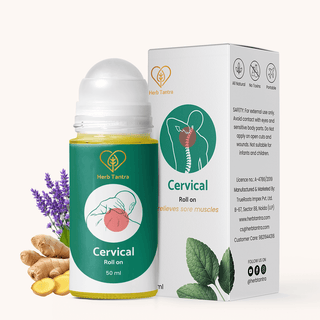
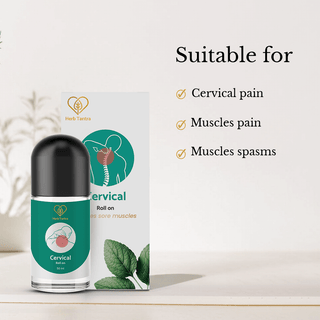
Herbs like ginger, lavender, marjoram, and nutmeg help improve microcirculation around the neck and shoulders, easing nerve pressure and stiffness.
Herbtantra’s Cervical Roll On combines these herbs into a fast-absorbing, non-greasy formula—ideal for laptop users and people with desk-job-related neck pain.
2. Deep Muscle & Joint Pain Relief
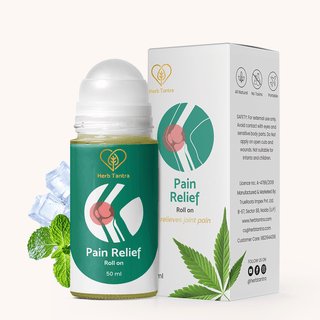
For chronic joint discomfort, gym soreness, and inflammatory pain, herbs such as wintergreen, hemp seed oil, lemongrass, and nutmeg provide dual-action relief—soothing inflammation while relaxing muscles.
The Pain Relief Roll On by Herbtantra offers concentrated herbal support without the heaviness of traditional oils.
3. Natural Pain Relief for Kids
Children often experience growing pains or post-playtime aches. Strong chemical pain relievers aren’t suitable for them.
The Pain Fairy Roll On, designed for kids aged 2+, uses gentle herbs like eucalyptus and lemongrass to provide safe, effective relief.
Lifestyle Tips to Support Herbal Pain Relief
Herbs work best when paired with simple lifestyle adjustments:
-
Warm oil massage (Abhyanga): Improves circulation and reduces stiffness
-
Gentle stretching or yoga: Keeps joints mobile
-
Warm foods and hydration: Reduce Vata aggravation
-
Consistent sleep routine: Supports muscle recovery
These habits strengthen the effects of herbal remedies for muscle pain over time.
Safety Tips When Using Herbal Pain Remedies
While Ayurvedic remedies are generally safe, keep these tips in mind:
-
Always do a patch test before topical use
-
Avoid applying to broken or irritated skin
-
Use child-specific formulations for kids
-
Consult a professional if pain persists or worsens
Natural remedies are most effective when used mindfully.
If you’re searching for long-term joint pain relief without dependency on medication, Ayurvedic herbs offer a powerful alternative. By addressing inflammation, circulation, and muscle tension at the root level, Ayurvedic pain management provides sustainable relief.
With thoughtfully formulated products and a deep understanding of plant-based healing, Herbtantra bridges ancient Ayurvedic wisdom with modern pain management needs—helping you move freely, naturally.
FAQs
1. What are the best herbal remedies for muscle pain?
Some of the most effective herbal remedies for muscle pain include ginger, eucalyptus, lemongrass, wintergreen, and nutmeg. These herbs help reduce inflammation, improve circulation, and relax tense muscles naturally when used as topical oils or roll-ons.
2. How does Ayurveda help with joint pain relief?
Ayurvedic pain management focuses on balancing Vata dosha, which is responsible for movement and joint health. Herbal oils, warming therapies, and lifestyle practices help lubricate joints, reduce stiffness, and support long-term joint pain relief rather than providing temporary numbness.
3. Are herbal pain roll-ons safe for daily use?
Yes, herbal roll-ons are generally safe for daily use when applied as directed. They provide targeted relief without affecting digestion or causing dependency, making them a safer alternative to frequent over-the-counter pain medications.
4. How long do herbal remedies take to work for muscle and joint pain?
Topical herbal remedies may provide relief within minutes for mild pain. For chronic muscle and joint issues, consistent use over a few days to weeks helps improve mobility and reduce inflammation naturally.
5. Can Ayurvedic remedies help with chronic joint conditions?
Yes, Ayurvedic remedies can support chronic joint discomfort by improving circulation, reducing inflammation, and nourishing tissues. While they may not replace medical treatment, they are effective complementary options for long-term pain management.