

Herbal roll-ons are everywhere—from headache relief to muscle pain, stress, and sinus congestion. But a common question still comes up:
Do herbal roll-ons actually work, or is it just aromatherapy hype?
Yes, they work—and science explains why.
The long answer lies in skin absorption, neuroscience, plant chemistry, and targeted delivery.
In this article, we break down the science behind herbal-infused roll-ons, explore how they relieve pain and headaches, and explain what makes them effective compared to traditional over-the-counter options.
What Are Herbal-Infused Roll-Ons? (And Why They’re Different)
Herbal roll-ons are topical formulations that combine:
-
Essential oils
-
Herbal extracts
-
Carrier oils
They’re designed to be applied directly to pulse points, muscles, temples, neck, or joints, delivering localised, fast-acting relief.
Unlike pills, they:
-
Don’t pass through the digestive system
-
Avoid liver metabolism
-
Work exactly where the pain or tension exists
This targeted action is a key reason why herbal roll-on effectiveness is gaining scientific attention.
How Herbal Roll-Ons Work: The Science Explained Simply
1. Transdermal Absorption
Our skin isn’t just a barrier—it’s also a delivery system.
Small, fat-soluble plant compounds (like menthol, eugenol, linalool, and methyl salicylate) can pass through the skin layers and interact with:
-
Nerve endings
-
Muscle tissue
-
Blood vessels
This process is known as transdermal delivery, and it’s widely studied in pain relief science.
Why this matters:
It explains how roll-ons provide relief without entering the bloodstream like painkillers.
2. Neurological Pain Modulation (The Brain Connection)
Certain herbal compounds stimulate sensory receptors in the skin:
-
Menthol (peppermint) activates cold receptors (TRPM8), which reduces pain perception
-
Eugenol (clove) has mild anaesthetic effects
-
Lavender & marjoram calm overactive nerve signals
In simple terms:
Herbal roll-ons don’t “numb” pain—they confuse and calm the pain pathway.
3. Anti-Inflammatory Plant Chemistry
Many herbs used in roll-ons contain bioactive compounds proven to reduce inflammation:
| Herb | Active Compound | Scientific Role |
|---|---|---|
| Wintergreen | Methyl salicylate | Natural anti-inflammatory |
| Ginger | Gingerols | Reduces muscle inflammation |
| Lemongrass | Citral | Relieves soreness |
| Nutmeg | Myristicin | Muscle relaxation |
This supports the scientific review of herbal remedies that shows plant compounds can match—or complement—synthetic pain relief in mild to moderate pain.
Why Roll-Ons Are Especially Effective for Headaches & Migraines
Headaches often originate from:
-
Muscle tension
-
Nerve sensitivity
-
Stress-induced vasoconstriction
Roll-ons target all three.
Mechanism of Action
-
Improves micro-circulation
-
Relaxes tight neck & temple muscles
-
Calms overstimulated nerves
That’s why essential oil roll-ons for headaches are often more effective than oral painkillers for tension headaches.
This is also why resources like “What Makes Essential Oil Roll-Ons So Amazing” emphasise localised neurological action over systemic medication.
What Makes a Scientifically Effective Herbal Roll-On?
Not all roll-ons are equal. Effectiveness depends on:
Ingredient Synergy
Single oils are less effective than well-balanced herbal blends.
Proper Concentration
Too weak = ineffective
Too strong = skin irritation
Carrier Oils Matter
Oils like coconut, sesame, or hemp seed improve absorption.
Application Design
Roll-on format ensures:
-
Controlled dosage
-
No contamination
-
On-the-go use
Where Herb Tantra Fits into This Science
Herb Tantra’s roll-ons are formulated using Ayurvedic principles + modern delivery science.
Their blends focus on:
-
Synergistic herbs (not isolated oils)
-
Skin-safe, effective concentrations
-
Target-specific formulations
For example:
-
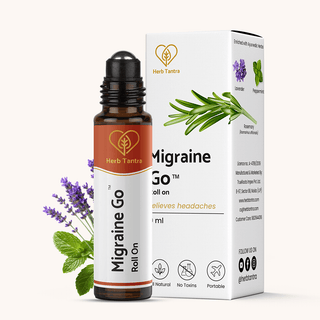
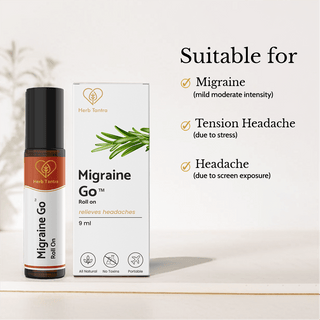
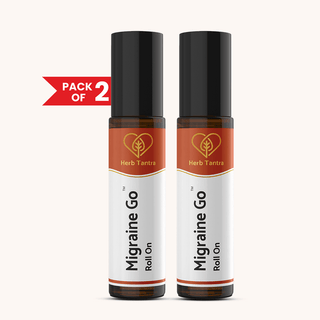
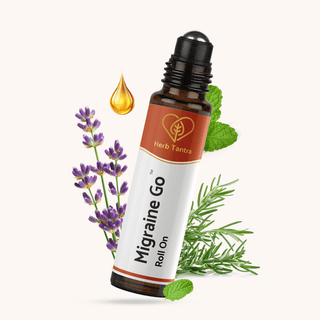
Migraine Go Roll-On focuses on nerve calming + circulation
-
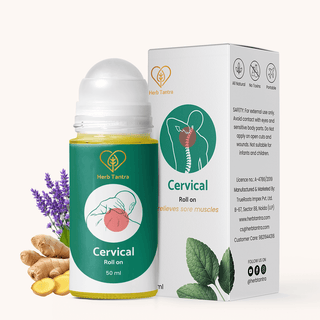
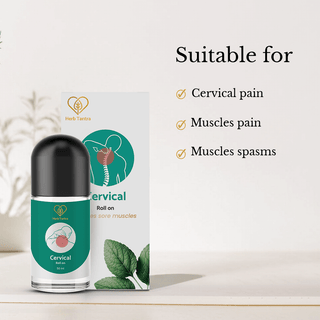
Cervical Roll-On targets muscle stiffness + inflammation
-
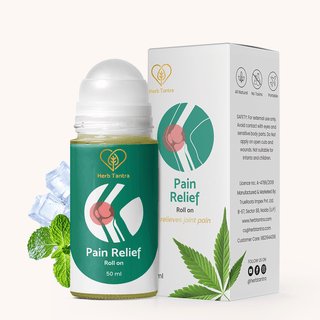
Pain Relief Roll-On works on deeper muscle and joint discomfort
This positions Herb Tantra as a brand that respects both tradition and scientific validation, not just aromatherapy trends.
Herbal Roll-Ons vs Over-the-Counter Pain Relief
| Aspect | Herbal Roll-Ons | OTC Painkillers |
|---|---|---|
| Action | Localized | Systemic |
| Side effects | Minimal | GI, liver strain |
| Dependency risk | Low | Moderate–High |
| Long-term use | Safer | Often discouraged |
This is why searches like “how effective are herbal roll-ons” are increasing—people want relief without long-term consequences.
Are Herbal Roll-Ons Scientifically Proven?
While large-scale pharmaceutical trials are limited, multiple studies support:
-
Anti-inflammatory effects of essential oils
-
Neurological impact of topical menthol & lavender
-
Muscle relaxation via herbal compounds
Modern science increasingly recognises what traditional medicine has known for centuries:
Plants can influence pain pathways when used correctly.
Herbal-infused roll-ons work not because they’re trendy—but because they’re biologically intelligent.
They combine:
-
Skin science
-
Neuroscience
-
Plant chemistry
-
Traditional Ayurvedic wisdom
For people seeking evidence-based natural pain relief, herbal roll-ons are no longer an alternative—they’re a validated solution.
And brands like Herb Tantra, when formulated thoughtfully, help bridge the gap between ancient remedies and modern science.